Editorial Picks
Seven photo spots every Gangnam visitor should find
A curated reading of the district's visual vocabulary — an Apgujeong park anchor, a Sinsa gingko avenue, a Rodeo retail strip, a Dosan brand-universe facade, a Cheongdam luxury arc, a Samseong indoor library, and a Herzog & de Meuron concrete tower that a Taipei reader can walk across an afternoon without language friction.
Photo-spot guides to Gangnam tend to collapse the district into a single visual register — luxury retail facades, gingko-lined avenues, and the indoor library at COEX repeated across virtually every travel listicle — and the flattening is the most common reading error among first-time visitors. The district actually sorts into several distinct visual vocabularies that answer different questions, and a shortlist that treats them as interchangeable produces an itinerary that photographs as if a single half-day had been stretched into three. The Apgujeong-Dosan corridor speaks one vocabulary — a green-anchored neighbourhood of low-rise concept buildings and flagship retail that reads cleanly in daytime. The Sinsa-Garosu strip speaks another — a 700-metre gingko avenue whose autumn reading from late October through mid-November is genuinely worth re-routing a Seoul trip around, and whose summer-and-spring reading is more about cafe verandahs than tree colour. The Cheongdam stretch east of Dosan-daero speaks a third — a quieter luxury maison cluster interleaved with the contemporary-gallery district that the neighbourhood has been building over the past five years, and that now sits alongside Apgujeong as the second photographic anchor of southern Seoul. The Samseong-COEX corner speaks a fourth, indoor-oriented register where the Starfield Library is the obvious anchor. Read in that order — and treated as four neighbourhoods rather than one diffuse district — the Gangnam photo itinerary reads coherently rather than as a sequence of stops marked only by retail logos. This shortlist is curated rather than exhaustive — seven spots rather than the longer ten-or-fifteen format the Seoul travel-editorial ecosystem favours — because the district's visual vocabulary genuinely sorts into seven anchors, and a longer list would dilute the reading rather than enrich it. None of these entries are sponsored. All seven appear in at least two of the following — the VisitKorea editorial database, the Seoul Tourism Organisation listings, the Time Out Seoul shopping coverage, Creatrip's Seoul itineraries, the Ocula and Artsy gallery guides, the Lonely Planet Gangnam pages, or the established Korean and English Seoul-walking sources. The ordering below traces an Apgujeong-Sinsa-Cheongdam-Samseong loop walkable in a single afternoon — not a ranking. Read it that way.
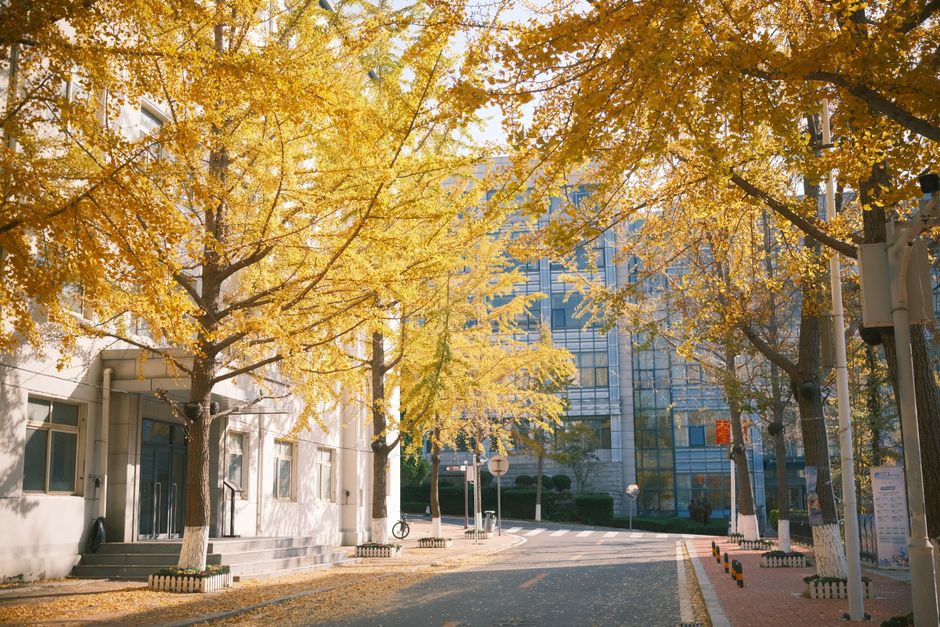
Dosan Park is the green anchor of the Apgujeong Rodeo and Dosan-daero corridor, and the editorial reading is consistent across the established Seoul travel-coverage ecosystem — a 29,974 square metre municipal park dedicated to independence activist An Chang-ho, opened in 1973, with a circular walking path that loops the memorial hall at the centre. A Taipei reader looking for the Apgujeong photographic vocabulary at its most calm anchor reads Dosan Park as the obvious first entry on this shortlist because the park resolves the most common composition problem a Gangnam visitor inherits — Apgujeong photographs more cleanly when it is read against trees rather than against retail facades, and Dosan Park is the only Apgujeong-cluster greenery that runs at the right scale for that reading.
A short explanatory note on the format. The park itself is paved with the standard Seoul municipal grey stone, planted with the typical mid-rise zelkova and cherry mix, and edged with a low railing rather than gated — it operates 24 hours, free admission, and the walking path is generously wide enough for the late-afternoon Apgujeong pram-and-dog traffic that congregates here on weekends. The memorial hall in the centre holds a small permanent display on An Chang-ho's life and is bilingual signed; it is the kind of cultural-anchor detail that the Apgujeong tourism circuit tends to underplay, and a quiet walk-through reads as a useful five-minute frame for the surrounding luxury-retail strip. The photographic value is split across two readings. The first is the perimeter — the surrounding low-rise concept buildings (Sulwhasoo Dosan, Gentle Monster Haus Dosan, and NUDAKE all within a 200-metre radius) make the park-perimeter walk one of the most-photographed runs in southern Seoul, and a Taipei reader will recognise the Dosan-Cheongdam architectural register from the Taipei Xinyi District luxury-flagship strip though distinct in stone-versus-glass material choice. The second is the interior — the park's circular path with cherry trees and the memorial-hall steps reads as a quieter portrait location away from the retail noise, and a 16:00-17:00 visit in late April produces the cherry-blossom reading the Korean Instagram circuit has tracked for years.
The seasonal reading matters more here than at the other Gangnam photo anchors. Late October through mid-November the surrounding tree canopy turns the gold-yellow that the Apgujeong-Dosan visual vocabulary is built on, and a Dosan Park reading in that window is the difference between a competent and an exceptional Apgujeong photo run. April reads as the cherry-blossom alternative, somewhat less photographed than the Yeouido or Seokchon runs but with the operational benefit of much lower visitor density. December and January read as the architectural-bare-branch register that a winter-itinerary visitor will find characteristic of the Apgujeong concept-building tone. Summer is the lowest photographic-yield window, with the surrounding canopy reading uniformly green and the harsh midday light flattening the surrounding stone facades.
The park-to-flagship walking route is the practical reading. A 7-minute walk west of the park reaches Haus Dosan; a 5-minute walk south reaches the Apgujeong Rodeo strip; a 12-minute walk east reaches the Cheongdam gallery cluster. A visitor structuring a Gangnam half-day around photo composition rather than retail visits will find the Dosan Park anchor produces the cleanest connecting tissue across all three neighbourhoods, and the surrounding cafe corridor along Dosan-daero produces the natural mid-walk break.
*Address*: Dosan-daero, Sinsa-dong, Gangnam-gu, Seoul *Hours*: 24 hours daily *Admission*: Free *Notable signature*: 29,974 sqm municipal park; memorial hall to independence activist An Chang-ho; circular walking path surrounded by flagship retail *Best photographic windows*: Late October through mid-November (autumn canopy); mid-April (cherry blossom) *Editorial source*: VisitSeoul, Suitcase Magazine

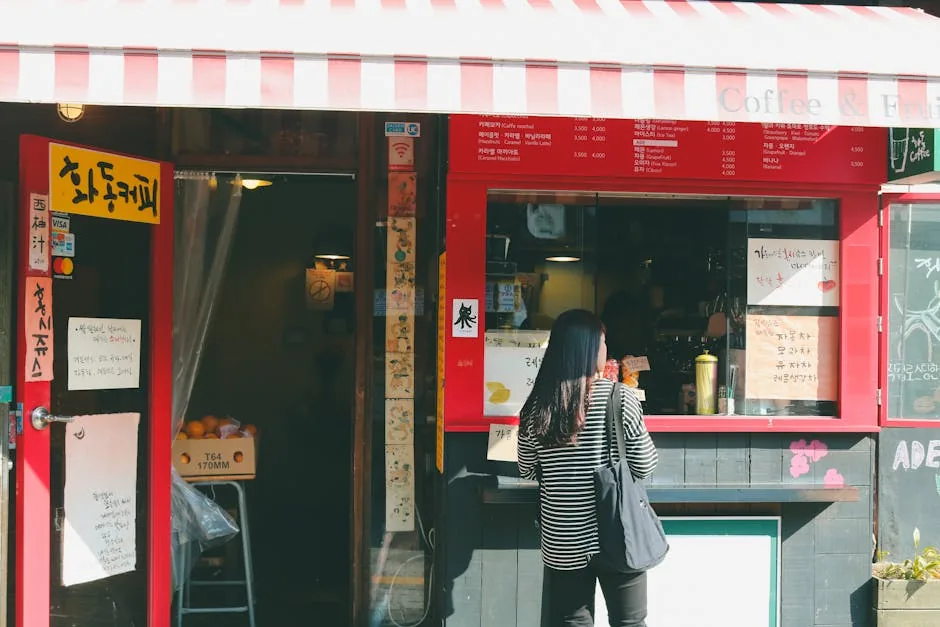
Garosu-gil — literally translated as 'tree-lined street' on most foreigner-friendly Seoul listings — is the second entry on this shortlist for a reading-specific reason that distinguishes it from the surrounding Apgujeong and Cheongdam photo anchors. The street is 700 metres long, gingko-lined on both kerbs from Sinsa Station Exit 8 north to the Apgujeong-ro junction, and the photographic vocabulary peaks in late October through mid-November when the gingko leaves turn the gold-yellow that Seoul autumn travel-editorial coverage has built virtually its entire visual canon on.
The seasonal calibration matters more here than at any other entry on this shortlist. A summer Garosu-gil reading is competent but unremarkable — the canopy reads uniformly green, the street furniture is standard Seoul municipal, and the surrounding K-beauty flagships and brunch cafes carry the photographic load by default. A late-October Garosu-gil reading is genuinely one of the most photographed urban streets in Asia, and the gingko window pulls visitor density to peak levels that the surrounding Sinsa-dong cafe corridor cannot fully absorb. A Taipei reader who has tracked the Daan Park autumn ginkgo reading will recognise the photographic register from Taipei though at substantially higher street-scale and visitor-density levels.
The perpendicular side-alleys — referred to in Korean as serosu-gil ('vertical tree street'), in deliberate counterpoint to Garosu-gil — hold the densest concentration of one-off boutique fronts, vintage shops, and small-format cafes in southern Seoul, and the photographic reading here is meaningfully different from the main avenue. The side-alley vocabulary is narrower, more architecturally interesting, and substantially less crowded than the main Garosu-gil corridor on autumn weekends, and a Sinsa photo run that reads only the main avenue misses the more characteristic register of the surrounding neighbourhood. A coherent visitor sequence runs the main Garosu-gil avenue as the opening composition, then loops through two or three perpendicular serosu-gil alleys as the middle, and closes with a cafe-veranda or brunch-table photo at one of the anchor corner stores along Apgujeong-ro.
The language friction is genuinely low across the strip. K-beauty flagships, established Korean apparel brands, and the international cafe chains that anchor the strip all run English-friendly signage and English-comfortable staff; navigation does not require Korean reading, and the side-alley boutiques tend toward visual rather than textual menu communication. A first-time visitor working through the Sinsa-Apgujeong photo loop in the daytime can read the Garosu-gil corridor on foot, reach Dosan Park within an 8-minute walk north, and continue into the Apgujeong Rodeo retail strip within another 10-minute walk east, sequencing the day across all three anchors without retracing.
The peak-window calibration. For visitors specifically photo-routing the trip around gingko colour, the operational reading is to land in Seoul between October 25 and November 12, allow for one to three days' variance in peak colour year-on-year, and plan for the early-morning (07:00-09:00) or late-afternoon (16:00-17:30) windows when the side-light reads more interestingly than the flat midday overhead. Weekend midday in peak autumn produces the highest visitor density and the lowest photographic-yield-per-minute on the entire shortlist, and an early-morning visit on a weekday reads as the disciplined choice. For visitors travelling outside the gingko window, the reading remains good but unspectacular — the side-alley boutique vocabulary carries the trip more than the main avenue, and the photo run should weight the serosu-gil composition accordingly.
*Address*: Garosu-gil, Sinsa-dong, Gangnam-gu, Seoul *Length*: 700 metres (Sinsa Station Exit 8 north to Apgujeong-ro junction) *Hours*: Always open *Admission*: Free *Notable signature*: 700-metre gingko-lined avenue; K-beauty flagships; brunch cafes; design studios; perpendicular vintage-shop alleys (serosu-gil) *Best photographic windows*: October 25 through November 12 (peak gingko); early morning or late afternoon *Editorial source*: VisitSeoul, Creatrip

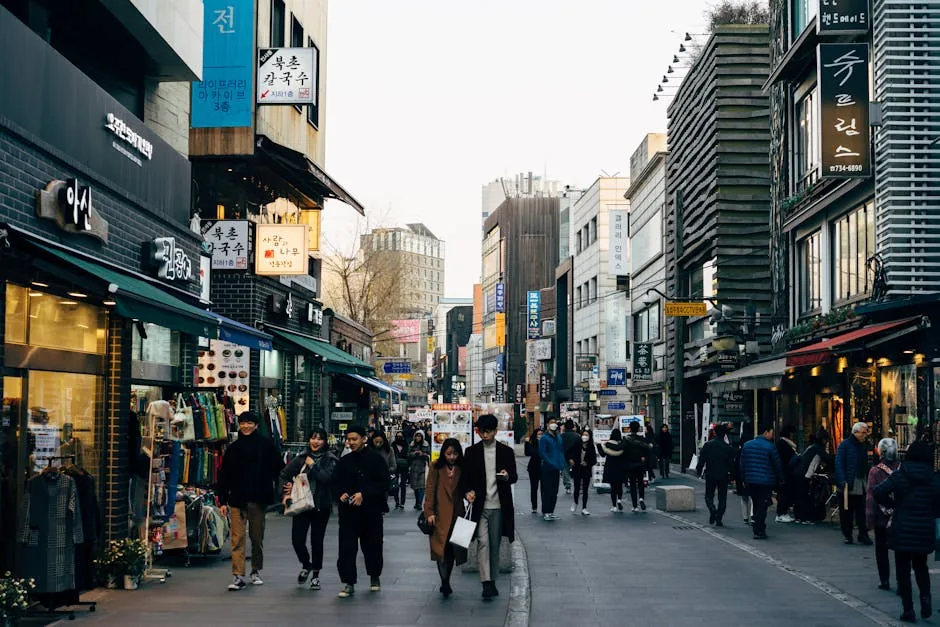
Apgujeong Rodeo Street closes the first three-entry Apgujeong cluster on this shortlist and reads as Korea's original luxury fashion strip — the institutional photographic backbone of the Apgujeong tourism circuit, mixing the original 1990s Rodeo retail with newer flagship buildings that have accumulated along Dosan-daero across the past decade. The street runs roughly between Apgujeong Rodeo Station (Bundang Line) and the Cheongdam-dong border, and the photographic vocabulary here sits in deliberate contrast to both the Garosu-gil avenue reading and the Cheongdam luxury-maison reading that comes later on this shortlist.
The genre distinction is what makes the inclusion important. Rodeo's visual register is denser than Garosu-gil and more retail-forward than Dosan Park, but reads at a meaningfully different tone from the quieter Cheongdam luxury-maison stretch east of Dosan-daero. The Rodeo strip leans into the more performative Korean luxury vocabulary — bright signage, ground-floor retail with floor-to-ceiling glass, and a pedestrian rhythm calibrated to evening rather than midday photographic windows. The original 1990s Rodeo retail buildings sit alongside the newer Dosan-daero concept-flagship buildings, and the resulting visual mix reads as the most characteristic single street-scale of the Apgujeong tourism circuit. A shortlist that contained only Garosu-gil and Dosan Park would underread the retail vocabulary that Apgujeong's photographic identity is built on, and Rodeo resolves that gap with a single street-scale entry.
The daytime versus evening reading. Daytime Rodeo (10:00-18:00) is the cleaner photographic window for the architectural-facade vocabulary, with the retail signage less dominant and the building-line geometry more legible. Evening Rodeo (19:00-22:00) is when the neon-and-signage reading the street is most associated with comes into its own, and the pedestrian density is high enough to produce the characteristic 'busy luxury strip' photographic register without crowding the compositions impossibly. A Taipei reader who has photographed the Ximending evening strip will recognise the operational pedestrian-density rhythm immediately, though Rodeo runs at higher per-store retail polish and lower street-food density than the Taipei equivalent.
The surrounding cluster reads naturally into the rest of the Apgujeong itinerary. Dosan Park sits a 5-minute walk south; the Haus Dosan brand-universe building is a 6-minute walk west; the Cheongdam gallery strip starts a 10-minute walk east. A visitor structuring an Apgujeong photo day around morning Dosan Park, mid-morning Haus Dosan, lunch on Dosan-daero, then afternoon Rodeo, then evening Cheongdam, reads the four neighbourhoods in clean sequence without retracing. The Rodeo strip is the natural late-afternoon-to-early-evening anchor on that route, and the photographic register transitions smoothly from natural light through magic hour through the early neon-signage window.
The practical reading on visitor density. Weekend evenings concentrate Korean and international tourist density at the Rodeo strip and produce the most challenging photographic conditions — busier than Garosu-gil at peak autumn, and substantially busier than the surrounding Cheongdam gallery strip — but also produce the most characteristic Apgujeong-tourism image. Weekday mornings read as the lowest-density alternative for a quieter facade-photography reading, with the operational trade that the retail signage is less photographically active. The decision between density and quietness depends on which photographic register a visitor wants to bring home, and the editorial advice is to allocate one Rodeo visit for the quiet daytime reading and a second for the dense evening reading if the trip schedule permits.
*Address*: Apgujeong-ro, Gangnam-gu, Seoul (Apgujeong Rodeo Station, Bundang Line, to Cheongdam border) *Hours*: Always open *Admission*: Free *Notable signature*: Korea's original luxury fashion strip; mixed 1990s Rodeo retail and newer concept-flagship buildings; neon-signage register strongest in evenings *Best photographic windows*: Daytime 10:00-18:00 (architectural facade); evening 19:00-22:00 (signage and pedestrian density) *Editorial source*: Time Out Seoul, Know About Korea

Haus Dosan is the most-photographed retail facade in the Apgujeong-Dosan corridor and reads as the architectural anchor of the Gentle Monster brand universe — a five-storey pale-stone concept building containing the Gentle Monster eyewear flagship across the lower floors, the Tamburins beauty flagship on the second floor, the NUDAKE artisanal dessert flagship in the basement, and rotating digital and sculptural displays in a central glass-roofed atrium that reads as the building's photographic centrepiece. The editorial coverage on Haus Dosan is dense — international architecture and design press have repeatedly featured the building since its 2021 completion, and the international street-style photography circuit treats the facade as one of the most recognisable retail buildings in Asia.
The facade reading is what carries this entry on the shortlist. The exterior is a single uninterrupted run of pale neutral stone, with the entry sequence stepped down rather than levelled with the street, and the rooftop reading visible from the surrounding low-rise neighbourhood produces the characteristic photographic composition. The Apgujeong-ro 46-gil cross-street angle reads cleanest for the wide-facade composition; the 50-metre frontage along the perpendicular minor street reads better for the closer architectural-detail compositions. A Taipei reader who has photographed the Aesop Daan or the original Gentle Monster Sinsa flagship will recognise the brand's visual register immediately, but Haus Dosan operates at substantially higher architectural ambition than either reference.
The interior reading runs across all five floors. The Gentle Monster eyewear floor reads as the brand's standard retail register at exhibition-grade installation level; the Tamburins beauty floor leans into the brand's distinctive minimalist apothecary aesthetic with rotating sculptural set-pieces; the NUDAKE basement runs the brand's gallery-style dessert program against polished concrete walls. The connecting central atrium — visible from each floor's railing edge — holds the rotating sculptural installations that the building's photographic coverage tends to track most closely, with new installations changing every two to four months and the rotation calendar tracked across the Gentle Monster Instagram channel. A visitor who reads only the facade without the interior is reading roughly half of the building's photographic vocabulary; the interior walk-through reads as the more characteristic register for the brand-universe experience.
The queue and access reading is the practical detail. Weekend midday Haus Dosan tends to operate a soft queue at the entry, with the building's internal density managed by the staff allowing roughly 200 visitors at a time. Weekday mornings (11:00-13:00) read as the lowest-density alternative for the interior atrium photography. The NUDAKE basement runs its own separate dessert queue that can stretch significantly longer than the main building access, particularly on weekends; visitors wanting both the building reading and the dessert-cafe experience should plan to enter the building first for the facade and atrium, then queue separately for NUDAKE at the basement counter. A 60-90 minute total visit is the editorial reading for a thorough Haus Dosan run; a quicker 20-30 minute facade-and-atrium-only run is the alternative for itineraries focused on photographic composition rather than retail browsing.
The surrounding walking radius is short. A 4-minute walk south reaches Dosan Park; a 6-minute walk east reaches the Apgujeong Rodeo strip; a 9-minute walk north reaches the Cheongdam luxury-maison cluster. The Haus Dosan facade reads naturally as either the opening or middle anchor of an Apgujeong photo day rather than the closing one, because the surrounding evening density tends to crowd the building's exterior more than the morning or midday windows.
*Address*: 50 Apgujeong-ro 46-gil, Gangnam-gu, Seoul *Hours*: Daily 11:00-21:00 *Admission*: Free entry to building; Gentle Monster, Tamburins, NUDAKE retail floors free to browse *Notable signature*: Five-storey pale-stone concept building; central glass-roofed atrium with rotating sculptural displays; Gentle Monster, Tamburins, NUDAKE under one roof *Best photographic windows*: Weekday 11:00-13:00 (low interior density); afternoon side-light on the Apgujeong-ro 46-gil exterior angle *Editorial source*: Gentle Monster brand site, Creatrip
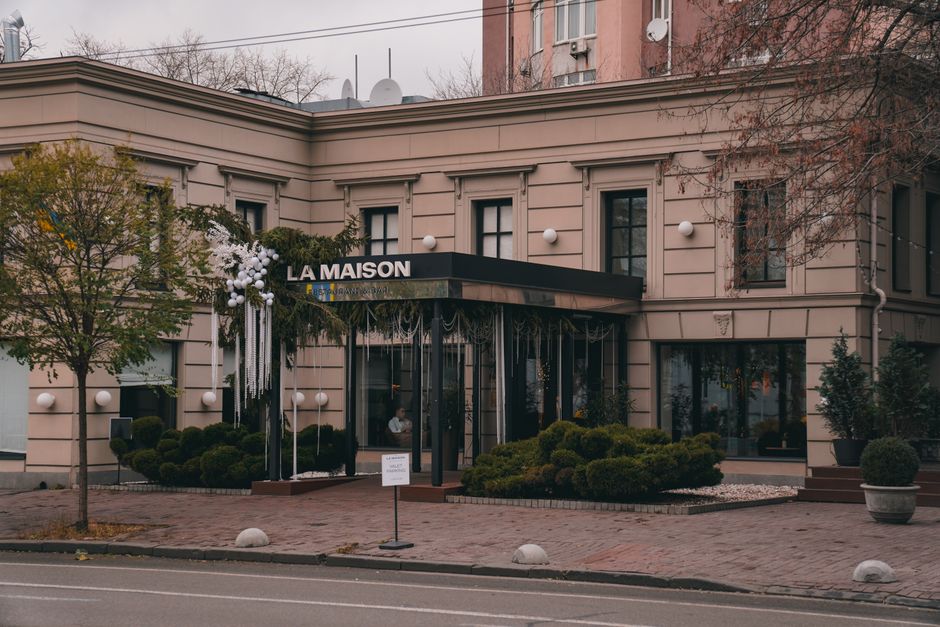
Cheongdam Luxury Street — sometimes branded by the Seoul Tourism Organisation as Gallery Avenue in deliberate counterpoint to the older Apgujeong Rodeo strip — sits as the fifth entry on this shortlist and reads as the quieter, more architectural luxury vocabulary that the Apgujeong-Cheongdam corridor produces east of Dosan-daero. The stretch covers roughly 800 metres along Apgujeong-ro and the perpendicular sections of Dosan-daero through Cheongdam-dong, and holds Seoul's densest cluster of luxury-maison flagships — Louis Vuitton, Dior, Saint Laurent, Burberry, Celine, and the recent additions of the Cheongdam contemporary-art gallery district — interleaved across the same street.
The genre distinction from Apgujeong Rodeo is what makes the inclusion important. Rodeo's visual register is performative, neon-forward and pedestrian-dense — Cheongdam Luxury Street's register is quieter, architectural-forward, and pedestrian-sparser. The maison flagships here are largely free-standing rather than ground-floor-of-a-larger-building, the building-line geometry runs cleaner because the surrounding neighbourhood is more residential than commercial, and the gallery-cluster additions (SongEun ArtSpace, Perrotin, White Cube, Massimo De Carlo, KÖNIG GALERIE) introduce a contemporary-art layer that the Apgujeong Rodeo strip simply does not carry. A photo run that reads only Rodeo without Cheongdam Luxury Street misses the more discreet luxury register that defines southern Seoul's high-end neighbourhood at its quietest, and Cheongdam resolves that gap with an 800-metre walking stretch that runs from Apgujeong-ro 60-gil through to the Sinsa-side border.
The daytime versus evening reading is meaningfully different from Rodeo. Daytime Cheongdam (11:00-17:00) is the cleaner photographic window for the architectural-facade vocabulary, with the maison flagships reading at their most legible against the surrounding low-rise residential context. Evening Cheongdam (19:00-22:00) does not run the neon-and-pedestrian register Rodeo carries — the street stays comparatively quiet after the maison flagships close, with the gallery-night programming the major source of evening foot traffic. The photographic yield in the evening is therefore lower than at Rodeo but produces a substantially different register, with the maison facade lighting and the gallery-cluster building-line geometry carrying the composition rather than pedestrian density.
The SongEun ArtSpace facade is the architectural centrepiece on this stretch and is sometimes treated as a separate photo entry on Seoul travel listicles. The Herzog & de Meuron triangular concrete tower, opened in 2021, sits along Dosan-daero in Cheongdam-dong and reads as the single most architecturally significant building on the corridor — the eleven storeys above ground and five below produce a sculptural mass that the surrounding low-rise neighbourhood cannot match, and a photo run that does not include the SongEun building under-reads the Cheongdam architectural vocabulary. The decision to fold SongEun into the Cheongdam Luxury Street entry rather than treat it as a standalone shortlist position is editorial — the building functions as the anchor of the surrounding gallery cluster rather than as an isolated photo destination, and the surrounding stretch reads more characteristically when SongEun is included as one stop on a longer walking sequence.
The gallery-cluster reading runs naturally into a longer-format day. Perrotin Seoul sits within 5 minutes' walk of SongEun; White Cube Seoul, Massimo De Carlo, and KÖNIG GALERIE all sit within the same 10-minute radius; the resulting gallery loop adds a contemporary-art layer to a photo day that none of the other entries on this shortlist match. A coherent Cheongdam sequence starts at SongEun for the architectural anchor, moves through two or three of the surrounding international galleries for the interior-exhibition register, and closes with a maison-facade walk along Apgujeong-ro for the luxury-retail vocabulary. The Cheongdam Station Line 7 access at the eastern end of the stretch makes the return-to-hotel logistics straightforward, and the surrounding restaurant cluster — Mingles and Jungsik — sits within walking distance for the evening transition.
*Address*: Apgujeong-ro and Dosan-daero through Cheongdam-dong, Gangnam-gu, Seoul *Hours*: Always open *Admission*: Free (gallery admission free across most of the cluster) *Notable signature*: Luxury maison flagships (Louis Vuitton, Dior, Saint Laurent, Celine, Burberry) interleaved with the Cheongdam contemporary-art gallery cluster; SongEun ArtSpace as architectural anchor *Best photographic windows*: Daytime 11:00-17:00 (architectural facade); gallery hours Tue-Sat 11:00-18:00 (interior exhibition) *Editorial source*: Artianne, VisitSeoul
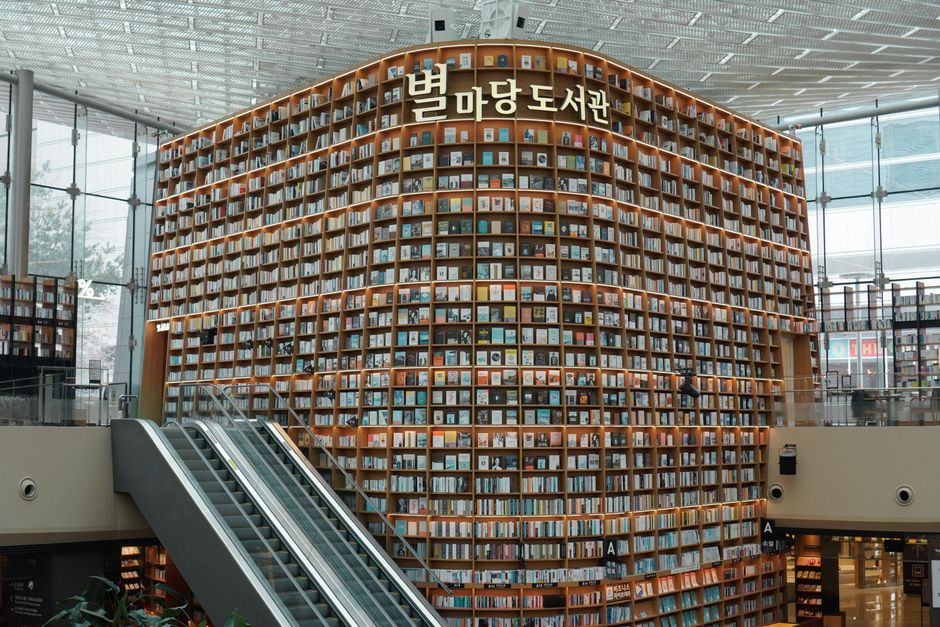
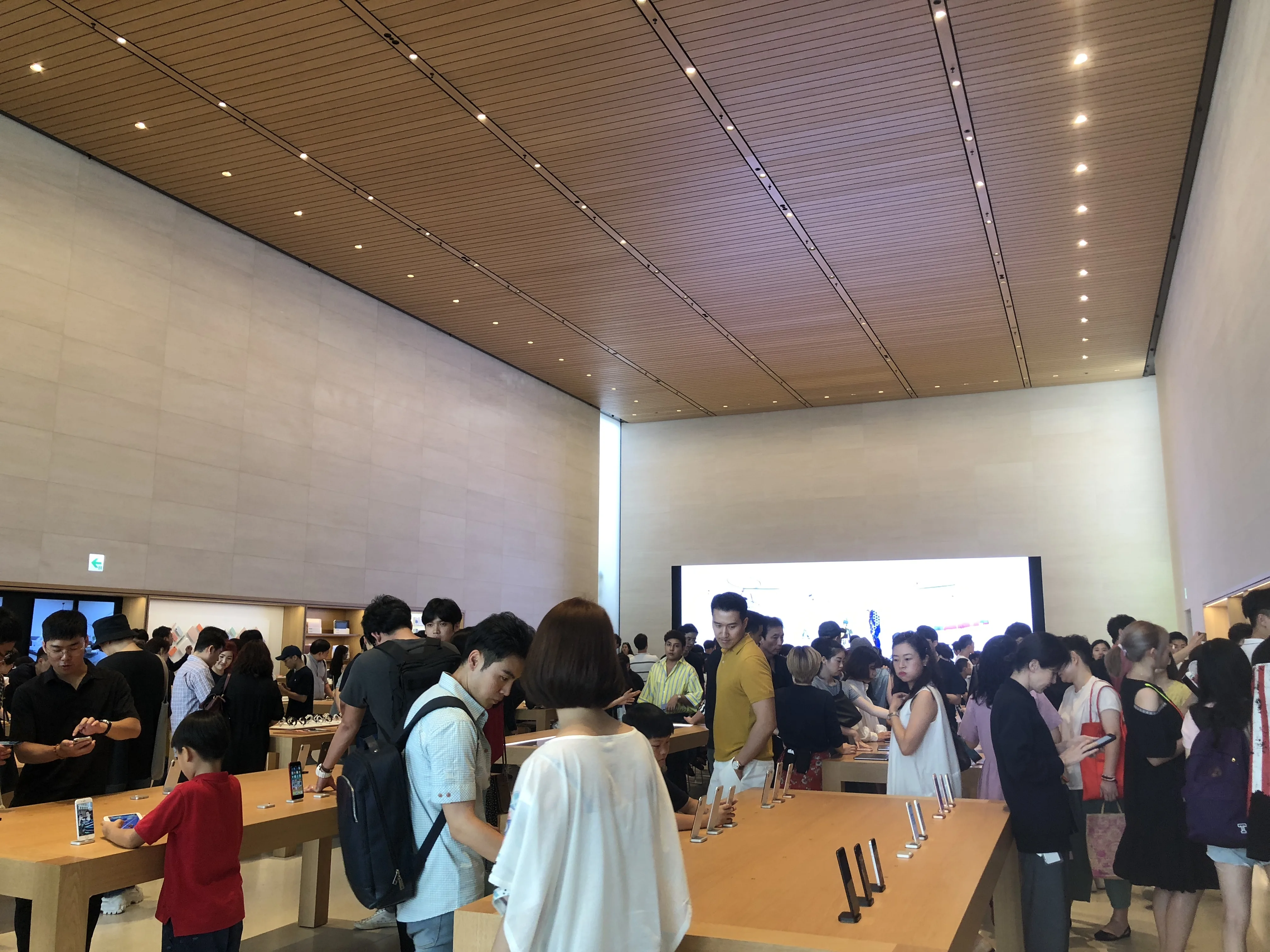
Starfield Library inside the COEX Mall is the indoor photographic anchor of the Samseong corner of Gangnam, and the editorial reading is consistent across the established Seoul tourism-coverage ecosystem — a 2,800 square metre open-plan library built around two free-standing thirteen-metre-tall bookshelves that hold roughly 50,000 books, opened in May 2017 inside the central atrium of the COEX Mall renovation. A Taipei reader looking for the indoor Gangnam photographic vocabulary at its most iconic anchor reads Starfield Library as the obvious sixth entry on this shortlist because it resolves the most common composition problem an outdoor-itinerary visitor inherits — Seoul winters are cold, summer rainfall closes the outdoor photography window across long stretches of July through September, and Starfield is the only Gangnam-cluster indoor space that runs at the right scale to carry a full photo run on its own.
The scale reading is the operational reason this entry sits on the shortlist. The thirteen-metre bookshelf height runs nearly twice the ceiling height of a standard Seoul retail interior, and the surrounding atrium opens to the COEX upper floors in a way that produces the characteristic 'cathedral of books' composition that the international travel-editorial circuit has tracked for nearly a decade. A photo run that reads the library only at ground-floor eye level misses the more characteristic upper-floor-balcony reading that the library's interior architecture is built around, and a coherent visit sequence runs the ground-floor reading as the opening composition, climbs to the second-floor balcony for the elevated reading, and closes with a perimeter walk that reads the library against the surrounding COEX retail.
The density and queue reading. Weekend midday Starfield (12:00-17:00 Saturday and Sunday) operates at peak visitor density, with the surrounding atrium running essentially uncirculatable for tripod-format compositions and the photographic yield substantially reduced. Weekday morning Starfield (10:30-12:00) reads as the substantially quieter alternative, with the surrounding atrium walkable and the bookshelf compositions clean of casual visitor traffic. Late-evening Starfield (20:00-22:00) reads as the third quiet window, with the surrounding COEX retail traffic tapering and the library lighting producing the warmer evening reading. The decision between density and quietness depends on the photographic register a visitor wants — a high-density weekend midday reading carries the characteristic 'busy Seoul shopping mall' register, while the quieter morning and evening windows produce the cleaner architectural compositions.
The surrounding cluster runs naturally. The Bongeunsa Buddhist temple sits across the road for an architectural contrast point; the K-pop Square LED screen outside COEX produces the characteristic outdoor night-time reading; A Samseong half-day reads cleanly across Starfield, Bongeunsa, and the COEX exterior K-pop Square, with the COEX subway access making the transit logistics simple from either the Gangnam Station hotel cluster (Line 2) or the Apgujeong-Cheongdam hotel cluster (Line 7).
The practical access reading. COEX Mall sits directly above the Samseong Station Line 2 platform, and the library entrance opens directly off the central atrium with no admission fee. Library hours run 10:30-22:00 daily, though the surrounding COEX retail extends slightly later. Visitors should plan for 30-60 minutes for the library reading alone, with longer windows if the surrounding COEX retail or the adjacent K-pop locations are folded in. The library is operationally accessible to international visitors with no language friction — signage is multilingual, the surrounding atrium walking path is wide enough for accessible-mobility navigation, and the COEX information desks support English, Japanese, and Chinese queries.
*Address*: 513 Yeongdong-daero, Samseong-dong, Gangnam-gu, Seoul (Samseong Station Line 2, exit to COEX Mall) *Hours*: Daily 10:30-22:00 *Admission*: Free *Notable signature*: 2,800 sqm open-plan library; two thirteen-metre-tall freestanding bookshelves holding 50,000 books; central atrium of COEX Mall *Best photographic windows*: Weekday morning 10:30-12:00; late evening 20:00-22:00 *Editorial source*: VisitKorea, VisitSeoul

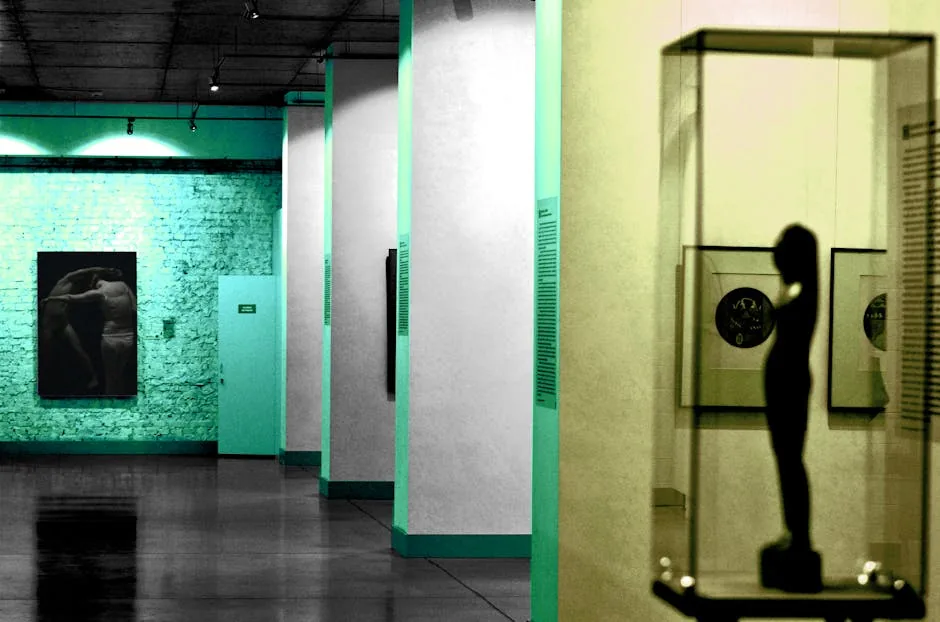
SongEun ArtSpace closes this shortlist as the seventh entry and reads as the most architecturally significant single building across the entire Gangnam tourism circuit. The triangular concrete tower along Dosan-daero in Cheongdam-dong was designed by Herzog & de Meuron — the Swiss architectural practice behind Tate Modern, the Beijing Olympic Stadium, and the De Young Museum — and opened in October 2021 as the headquarters and exhibition venue of the SongEun Art Foundation. A Taipei reader who has photographed the Te Aro architectural circuit or the Hong Kong M+ building will recognise the institutional register from the international gallery-architecture vocabulary, though SongEun runs at substantially higher sculptural ambition than either reference.
The inclusion of a gallery building on a photo-spot shortlist requires a brief explanatory note on the format. SongEun appears here rather than only in a gallery-specific listicle for two specific reasons. First, the building reads at architectural-significance levels that the surrounding Apgujeong and Cheongdam vocabulary simply cannot match — the eleven storeys above ground, five underground, and the triangular footprint that the practice resolved into a single uninterrupted concrete mass produces the most photographed contemporary-architecture building in Gangnam by an order of magnitude. Second, the gallery's free-admission policy and walk-in access make it operationally accessible to visitors who are not specifically routing the trip around contemporary art — a photo-only visit that reads the exterior facade, the lobby, and the cantilevered entrance sequence reads as a coherent 20-30 minute stop, and the surrounding Cheongdam gallery cluster (Perrotin, White Cube, Massimo De Carlo, KÖNIG GALERIE all within a 10-minute walking radius) extends the visit naturally for visitors who want the longer reading.
The exterior reading is what carries this entry. The triangular concrete footprint sits on a corner site that the surrounding low-rise neighbourhood could not have absorbed at conventional rectangular geometry, and the Herzog & de Meuron solution — a single uninterrupted concrete mass with horizontal expressed-form-tie patterns and a cantilevered overhang at the entry — produces the characteristic photographic composition. The Dosan-daero side reads cleanest for the wide-facade reading; the perpendicular Eonju-ro side reads cleaner for the closer architectural-detail compositions including the corner cantilever. The building's surface texture is the deliberate timber-form concrete that the practice has used at Tate Modern and at the Allianz Arena in Munich, and the close-detail reading on the surface texture is what separates a competent SongEun composition from an exceptional one.
The interior reading runs across the foundation's gallery program. The eleven-storey building holds rotating exhibitions of the SongEun Art Award winners and international contemporary art, with the calendar typically running three to four exhibitions per year. Free admission, Tuesday through Saturday 11:00 to 18:30, closed on Sundays, Mondays, and public holidays — a visitor planning around the gallery hours can pair an interior visit with the exterior architectural reading in a single 60-90 minute stop. The interior gallery walls are the same expressed concrete as the exterior, and the interior photographic register reads as continuous with the outside in a way that few contemporary gallery buildings achieve.
The surrounding walking radius pairs naturally with the Cheongdam Luxury Street and broader gallery cluster covered in Featured E. A 5-minute walk west reaches Perrotin Seoul; a 7-minute walk south reaches Haus Dosan; a 12-minute walk further west reaches Dosan Park; a 15-minute walk east reaches Cheongdam Station Line 7. A visitor structuring a Cheongdam-focused photo afternoon reads SongEun as the opening anchor, loops through two or three of the surrounding international galleries for the interior register, and closes with a maison-facade walk along Apgujeong-ro for the luxury-retail vocabulary, all within a 2-hour window. The SongEun anchor is what makes that loop architecturally coherent rather than a sequence of disconnected gallery visits.
*Address*: Dosan-daero, Cheongdam-dong, Gangnam-gu, Seoul *Hours*: Tue-Sat 11:00-18:30 (closed Sun-Mon and public holidays) *Admission*: Free (some special exhibitions require online RSVP) *Notable signature*: Herzog & de Meuron triangular concrete tower (opened 2021); SongEun Art Foundation since 1989; SongEun Art Award *Best photographic windows*: Tuesday through Saturday gallery hours; afternoon side-light on the Dosan-daero facade *Editorial source*: SongEun website, Archello, Lonely Planet
Frequently asked questions
What is the best time of year to photograph Gangnam, particularly Garosu-gil?
Late October through mid-November (October 25 to November 12 in a typical year) is the peak gingko-leaf window on Garosu-gil and the most photographed two-week window in the entire Gangnam visual calendar. Outside that window, mid-April through early May reads as the cherry-blossom alternative around Dosan Park. December through February reads as the architectural-bare-branch register. July through September is the lowest photographic-yield window across the entire district.
Are Gangnam photo spots free to visit?
Yes, all seven entries on this shortlist are free admission — Dosan Park, Garosu-gil, Apgujeong Rodeo Street, Haus Dosan (free building entry; retail browsing free), Cheongdam Luxury Street, Starfield Library (free library access; COEX Mall free entry), and SongEun ArtSpace (free gallery admission Tuesday through Saturday). Surrounding gallery cluster venues in Cheongdam (Perrotin, White Cube, Massimo De Carlo, KÖNIG GALERIE) are also free admission.
How long does it take to walk through all seven Gangnam photo spots?
A complete walking loop across all seven entries runs roughly 4 to 6 hours including 15-30 minute stops at each anchor — Dosan Park 20 minutes, Garosu-gil 60-90 minutes including side-alley exploration, Apgujeong Rodeo 30-45 minutes, Haus Dosan 30-60 minutes interior, Cheongdam Luxury Street 45 minutes, Starfield Library 30 minutes, SongEun ArtSpace 30 minutes exterior plus 30-60 minutes interior. Visitors with tighter schedules can split the loop across two half-days, separating the Apgujeong-Sinsa-Dosan cluster from the Cheongdam-Samseong cluster.
Which Gangnam photo spot is best for a first-time visitor with only one afternoon?
Dosan Park as the green anchor, paired with the Haus Dosan facade and a 30-minute walk through the Apgujeong Rodeo strip, produces the cleanest single-afternoon Gangnam photo reading. The three anchors sit within a 10-minute walking radius of each other and cover the green, architectural-facade, and retail-strip registers across roughly 2.5 hours. Visitors with slightly more time should fold in Garosu-gil for the gingko-avenue register, extending the afternoon to 4 hours.
How does Gangnam compare to other Seoul photo districts like Hongdae, Itaewon or Bukchon?
Gangnam operates at a meaningfully different visual register from the other Seoul photo districts — substantially more contemporary-architectural and luxury-retail-forward than Bukchon's traditional hanok vocabulary, substantially more polished and quieter than Hongdae's youth-culture street register, and substantially more residential-luxury than Itaewon's international-restaurant mix. A visitor photographing all four districts across a Seoul trip should plan to allocate Gangnam to the contemporary-architecture and luxury-retail registers specifically rather than expecting the same vocabulary as the other three.
Are Gangnam photo spots accessible by public transport?
Yes, all seven entries sit within a 15-minute walking radius of at least one Seoul metro station. Sinsa Station (Line 3) for Garosu-gil; Apgujeong Rodeo Station (Bundang Line) for Apgujeong Rodeo Street, Haus Dosan, and Dosan Park; Apgujeong Station (Line 3) as the alternative western access; Cheongdam Station (Line 7) for the eastern end of the Cheongdam Luxury Street and SongEun ArtSpace; Samseong Station (Line 2) for the Starfield Library at COEX Mall. The full walking loop is metro-friendly and most visitors will not need taxis between anchors.
Which Gangnam photo spot has the best evening reading?
Apgujeong Rodeo Street (19:00-22:00) carries the strongest evening neon-and-pedestrian-density vocabulary across the Gangnam shortlist, with the retail signage and street-level activity producing the characteristic 'busy luxury strip' photographic register. Cheongdam Luxury Street reads quieter in the evening with maison-facade lighting carrying the composition. Haus Dosan exterior and Starfield Library both read well in the late-evening 20:00-22:00 window. Dosan Park is the weakest evening reading on the shortlist.
Can I photograph inside Cheongdam galleries and the SongEun building?
Most Cheongdam gallery venues (SongEun, Perrotin, White Cube, Massimo De Carlo, KÖNIG GALERIE) permit non-flash photography of the architectural interior and gallery walls, though specific exhibitions may restrict photography of individual artworks. SongEun ArtSpace specifically encourages exterior architectural photography given the Herzog & de Meuron significance. Visitors should check the entry signage on arrival as exhibition-specific rules vary by show; gallery staff are generally English-comfortable for photography-policy questions.