
Editorial Picks
Five dessert destinations in Gangnam worth planning for
A curated reading rather than an exhaustive list — a Dosan brand-universe basement, a Garosu-gil reservation-only patisserie, an Apgujeong Rodeo Earl Grey signature, a Cheongdam traditional-Korean reinterpretation, and a Gangnam Station Einspanner counter that a Taipei reader can sequence across an afternoon without language friction.
Dessert in Gangnam is a five-vocabulary conversation, and the most common reading error among first-time visitors is to flatten it into a single 'Instagram cafe' register that the broader Seoul travel-editorial circuit tends to reproduce on every listicle. The district actually sorts into several distinct dessert vocabularies that answer different questions, and a shortlist that treats them as interchangeable produces an afternoon that photographs as if a single half-day had been stretched into three. The first vocabulary is the sculptural-cake gallery register — the cafes that operate as much as exhibition spaces as eating venues, with cakes presented at art-installation scale and a brand-universe context that frames the dessert as part of a wider fashion or design programme. The second is the reservation-only plated-dessert register — counter-style tasting menus where each course is constructed at the moment of service and the patisserie operates closer to a fine-dining kitchen than to a walk-in cafe, with prices and booking commitments calibrated accordingly. The third is the seasonal-pastry register — neighbourhood cafes building the menu around rotating seasonal ingredients and a single signature pastry rather than a wide menu breadth, with operational rhythms calibrated to walk-in cafe culture rather than restaurant-tier reservation flow. The fourth is the traditional-Korean-confection register — cafes that draw on jeungpyeon, hangwa, and the broader Korean dessert canon but present the menu in a contemporary cafe format, sitting in deliberate counterpoint to the international-pastry vocabulary that the surrounding strip leans towards. The fifth is the Einspanner-and-coffee-pastry-pairing register — the more functional dessert-cafe vocabulary that supports an afternoon coffee break rather than carrying the entire afternoon on dessert alone, with pricing and timing calibrated to a quick stop between other activities. A visitor who books a sculptural-cake gallery cafe expecting a casual Einspanner afternoon will misread the room; a visitor who books a reservation-only plated-dessert tasting expecting a walk-in cafe will arrive without a booking and miss the service entirely. This shortlist is curated rather than exhaustive — five entries rather than the longer ten-or-fifteen format the Seoul cafe-coverage ecosystem favours — because the Gangnam dessert vocabulary genuinely sorts into five distinct registers, and a longer list would dilute the reading rather than enrich it. None of these entries are sponsored. All five appear in at least two of the following — the Run It Blog top-5 Gangnam dessert coverage, the Corner Inc Seoul dessert guides, the Tripzilla must-try Korean dessert listings, the Creatrip Seoul itineraries, the brand official sites, or the established Korean and English Seoul-cafe sources. The order below traces an Apgujeong-Sinsa-Cheongdam-Gangnam Station sequence that a visitor can read across a single afternoon — not a ranking. Read it that way.
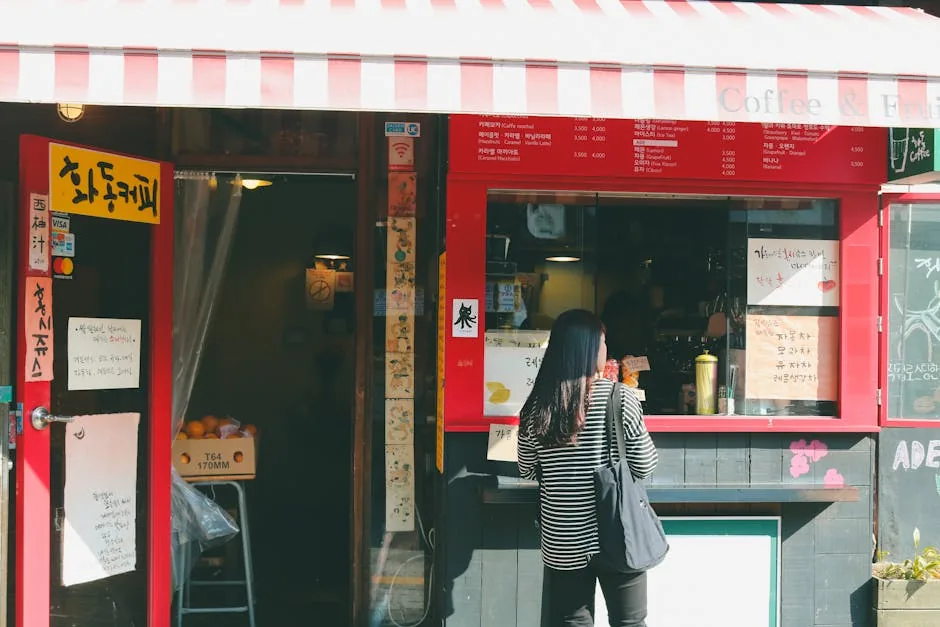
NUDAKE Haus Dosan is the institutional anchor of the sculptural-cake gallery register in Gangnam, and the editorial reading is consistent across the established Seoul cafe-coverage ecosystem — operated by the eyewear label Gentle Monster as the brand's artisanal dessert programme, situated in the basement floor of the five-storey Haus Dosan brand-universe building in Apgujeong-Dosan, and consistently cited as one of the most-photographed cafes in Seoul. A Taipei reader looking for the Gangnam dessert vocabulary at its sculptural-installation ceiling reads NUDAKE Haus Dosan as the obvious first entry on this shortlist, and the brand-universe weight is not a marketing claim — it is the cafe most often listed across both Korean and English Seoul dessert coverage, and the cafe's identity as the dessert arm of Gentle Monster carries an editorial register that the surrounding standalone-cafe competitors cannot match.
A short explanatory note on the format. NUDAKE operates as much as a gallery as a cafe, with the signature 'Peak' cake — a matcha-green sculptural mountain that reads as a single chocolate-and-cream mass with edible-flower accents — presented as the brand's most-photographed item across virtually every Seoul dessert listicle that includes the cafe. The croissant programme operates on a separate axis, with a rotating selection of architecturally constructed croissants and tart-style pastries that change every two to four months. The basement floor itself is finished in polished concrete with rotating sculptural installations that match the wider Gentle Monster aesthetic at exhibition-grade installation level, and the seating runs counter-style at the central kitchen frontage with secondary table seating around the perimeter walls.
The price band of KRW 9,000 to 18,000 per dessert-and-drink set sits at the upper-mid tier of Seoul dessert cafes — substantially above the standard chain dessert-cafe pricing and below the reservation-only plated-dessert tasting menus that come later on this shortlist — and the price reflects the brand-universe positioning more than the dessert portion alone. A typical NUDAKE order runs a single signature dessert (the Peak, a croissant variant, or a seasonal-rotation pastry) paired with an espresso-based drink, and the operational floor expects a single-course visit running 45-60 minutes rather than an extended cafe-stay session. The Haus Dosan basement does not run the cafe-as-co-working format that the surrounding Sinsa-Apgujeong cafe corridor produces, and a visitor who arrives with a laptop expecting two-hour workspace usage will misread the operational rhythm. Single-course, single-photo, single-visit is the editorial reading for the cafe's intended operational format.
The queue and access reading is the practical detail. Weekend midday NUDAKE operates a soft queue that can stretch 30-60 minutes during the Apgujeong-Dosan peak shopping windows, with the Haus Dosan building's separate retail-floor queue running on its own time and the NUDAKE basement queue operating independently. Weekday morning NUDAKE (11:00-13:00) reads as the substantially quieter alternative, with the basement counter walkable and the seating immediately available. Late afternoon (15:00-17:00) reads as the second quiet window, with the lunch-rush wave passing and the evening-shopping wave not yet arriving. The decision between density and quietness depends on what a visitor wants from the visit — the dense weekend reading carries the characteristic 'most-photographed cafe in Seoul' register, while the quieter weekday windows produce the cleaner architectural compositions of the basement space itself.
The surrounding cluster reads naturally. NUDAKE sits in the basement of Haus Dosan, which holds the Gentle Monster eyewear flagship across the lower floors and the Tamburins beauty flagship on the second floor; a visitor who reads NUDAKE only without the surrounding brand-universe context is reading roughly a third of the building's intended program. Dosan Park sits a 4-minute walk south for a post-dessert green anchor; the Apgujeong Rodeo retail strip sits a 6-minute walk east for the continuation into the surrounding luxury-retail vocabulary. The Apgujeong Station (Line 3) access at the western end of the strip and the Apgujeong Rodeo Station (Bundang Line) at the eastern end make the transit logistics simple from either the Gangnam Station hotel cluster or the broader southern Seoul transit corridor.
*Address*: B1, 50 Apgujeong-ro 46-gil, Gangnam-gu, Seoul *Hours*: Daily 11:00-21:00 *Price*: KRW 9,000-18,000 per dessert-and-drink set *Phone*: +82-70-4128-2122 *Reservation*: Walk-in (long lines on weekends) *Notable signature*: Gentle Monster artisanal dessert brand; Peak matcha-mountain cake; gallery-aesthetic basement; rotating croissant program *Language*: English menu, English-comfortable staff *Editorial source*: VisitSeoul, NUDAKE official site, Creatrip

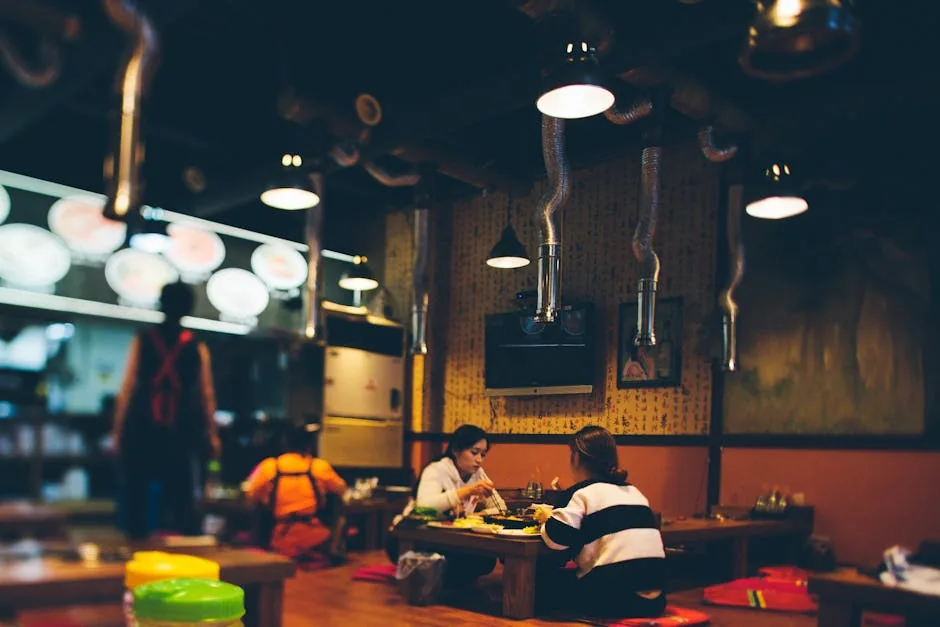
SONA is one of Seoul's best-known reservation-only dessert bars and sits as the second entry on this shortlist for a specific reason — the patisserie operates closer to a fine-dining kitchen than to a walk-in cafe, with each plated dessert constructed at the moment of service rather than pre-built behind the counter. The institutional reading: Chef Hyunah Sung running the kitchen, a reservation-only operating model that filters out the walk-in dessert-cafe traffic, and a signature Champagne Sugar Ball plated dessert that has appeared on virtually every Seoul-dessert listicle that includes the venue. The Garosu-gil-area address situates SONA inside the Sinsa cafe corridor but at meaningfully different operational tier from the surrounding walk-in competitors.
The reservation-only model matters as a category distinction because virtually all the other dessert cafes on this shortlist operate on walk-in flow with queue management. SONA filters access through reservation specifically because the kitchen builds each dessert course at the moment of service — sugar work, foam, edible-flower placement, and the closing presentation all happen in front of the diner — and the per-seat capacity is constrained at counter-format dimensions that cannot absorb walk-in volume. The practical reading on the plate is craftsmanship — each course operates at plated-dessert-tasting-menu standards, and visitors who have eaten at the dessert programs of two- or three-star Seoul fine-dining kitchens (Mingles, Jungsik) will read SONA as continuous with that vocabulary at a more concentrated single-course tier. A first-time dessert visitor will read the same plate as a step above the walk-in dessert-cafe register and may not yet have the comparative vocabulary to register why.
The Champagne Sugar Ball is the signature most frequently photographed in Seoul-dessert coverage — a transparent sugar sphere holding edible flowers and champagne foam inside, broken open at the table to reveal the foam-and-flower composition, and read as the cafe's most distinctive single dish. The supporting menu rotates across seasonal Korean fruit programs, pâte de fruit constructions, and individual plated-dessert courses that change every two to four months. A typical SONA visit runs 60-90 minutes for the full dessert-tasting sequence at a price band of KRW 35,000 to 60,000 per person, which sits meaningfully above the surrounding walk-in dessert cafes but at a substantially lower commitment than a full restaurant-tier tasting menu. The pricing reflects the kitchen-craftsmanship layer rather than the room or the surrounding service rhythm.
The reservation flow runs primarily through NaverPlace, the standard Korean booking platform, with phone booking available for visitors comfortable with Korean. A Taipei reader who has used the Inline Taiwan booking platform or the OpenTable booking flow will recognise the operational rhythm of NaverPlace immediately, though the platform runs in Korean with English translation available through browser-translate functionality. Booking windows typically open 2-4 weeks in advance, with weekend slots filling first; weekday mid-afternoon slots (14:00-17:00) read as the easier reservation window and the quieter visit-experience. The cafe operates Wednesday through Sunday with Monday and Tuesday closed, which the broader Seoul cafe-coverage tends to under-emphasise but that visitors should specifically plan around.
The practical access reading. SONA sits in the Garosu-gil cafe corridor with multiple minor-street access routes, and the surrounding Sinsa-Garosu walking radius reads naturally as a pre-or-post dessert walk. A coherent visit sequence runs a Garosu-gil avenue walk in the late morning or early afternoon as the opening, books SONA for the late-afternoon dessert tasting (15:00-17:00 typical), and closes with the surrounding cafe-corridor or the Apgujeong-Cheongdam continuation into the evening dining or shopping vocabulary. The Sinsa Station (Line 3) access at the western end of Garosu-gil makes the transit logistics simple from the broader Gangnam transit corridor.
*Address*: Garosu-gil area, Sinsa-dong, Gangnam-gu, Seoul *Hours*: Wed-Sun 12:00-22:00 (reservation only; closed Mon-Tue) *Price*: KRW 35,000-60,000 per dessert tasting *Booking*: Reservation-only via NaverPlace or phone; 2-4 weeks in advance recommended *Notable signature*: Chef Hyunah Sung; Champagne Sugar Ball plated dessert; counter-format dessert bar; seasonal Korean fruit programs *Language*: English menu and English-comfortable reservation flow *Editorial source*: Run It Blog, Corner Inc Seoul

PLD Dosan closes the first Apgujeong-Sinsa cluster on this shortlist and reads as the seasonal-pastry register at its most refined neighbourhood-cafe expression. The institutional reading: PLD operates as the Apgujeong Rodeo sibling of the original PLD that built its reputation in the Seongsu neighbourhood east of the river, and the Apgujeong branch is consistently listed across Korean and English dessert-cafe coverage as one of the most artistic dessert cafes in Gangnam. The cafe's signature Earl Grey tea cake — a tea-infused layered cake topped with Earl Grey ice cream and house cookies — is the dish most frequently referenced in Korean dessert-cafe coverage, and the cafe's broader menu rotates seasonally on a two-to-three month cycle.
The genre distinction is what makes the inclusion important. PLD sits at meaningfully different operational tier from NUDAKE Haus Dosan — substantially smaller in scale, much more conventional cafe format rather than brand-universe gallery space, and built around a single rotating signature rather than a sculptural-cake portfolio — while operating at substantially higher craftsmanship register than the standard Apgujeong walk-in cafe vocabulary. A photo run that contained only NUDAKE and SONA would miss the seasonal-pastry register that defines the Apgujeong dessert vocabulary outside the brand-universe and reservation-only tiers, and PLD resolves that gap with a single neighbourhood-cafe-scale entry. A Taipei reader who has tracked the Daan Park independent-cafe pastry register will recognise the operational rhythm of PLD immediately, though the menu rotation runs at higher seasonal-ingredient discipline than the typical Taipei equivalent.
The signature Earl Grey programme is the dish most worth ordering on a first visit. The cake itself is a four-layer construction with Earl Grey tea infused into both the sponge and the cream layers, topped with a dome of Earl Grey ice cream and a scattering of house-made cookie pieces. The presentation is restrained rather than sculptural — the dish reads at neighbourhood-cafe-quality presentation register rather than at the gallery-installation level NUDAKE operates — but the craftsmanship on the tea-infusion technique reads at the higher end of the Apgujeong seasonal-pastry vocabulary. A coherent first-visit order pairs the Earl Grey cake with one of the rotating seasonal items (the cafe rotates across stone fruit, citrus, berry, and chestnut programs depending on the season) and a single espresso-based drink. The price band of KRW 10,000 to 20,000 per set sits comfortably below the brand-universe and reservation-only tiers and reads as the more accessible mid-tier dessert option on the shortlist.
The seating and operational reading. PLD Dosan operates on walk-in flow with seating across roughly 30 covers, with the operational floor expecting 45-90 minute visits rather than extended cafe-stay sessions. Weekend midday (12:00-15:00) operates at peak capacity with a soft queue at the entry, and the cafe's seating density does not accommodate solo laptop-based co-working sessions that the surrounding Apgujeong cafe corridor sometimes supports. Weekday morning (10:00-12:00) reads as the substantially quieter alternative for solo or two-person visits. The cafe does not take reservations, which separates it operationally from SONA, and the queue-management runs through informal counter-side waiting rather than a digital booking system.
The surrounding cluster reads naturally. PLD sits in the Apgujeong Rodeo area approximately 4 minutes' walk from the Haus Dosan complex and 6 minutes from Dosan Park, which makes the cafe a natural stop on the broader Apgujeong-Dosan walking loop covered in the surrounding Gangnam photo-spot itineraries. A coherent half-day Apgujeong sequence reads the Haus Dosan brand-universe building in the late morning, takes lunch at one of the surrounding Dosan-daero options, walks Dosan Park in the early afternoon, and closes with the PLD dessert reading at 15:00-17:00 before continuing into the evening Cheongdam or Apgujeong Rodeo retail vocabulary.
*Address*: Apgujeong Rodeo area, Gangnam-gu, Seoul *Hours*: Daily 11:00-21:00 *Price*: KRW 10,000-20,000 per set *Reservation*: Walk-in *Notable signature*: Sister cafe of Seongsu PLD; seasonal-ingredient cake rotation; Earl Grey tea cake with Earl Grey ice cream signature *Language*: English menu *Editorial source*: Run It Blog, Corner Inc Seoul
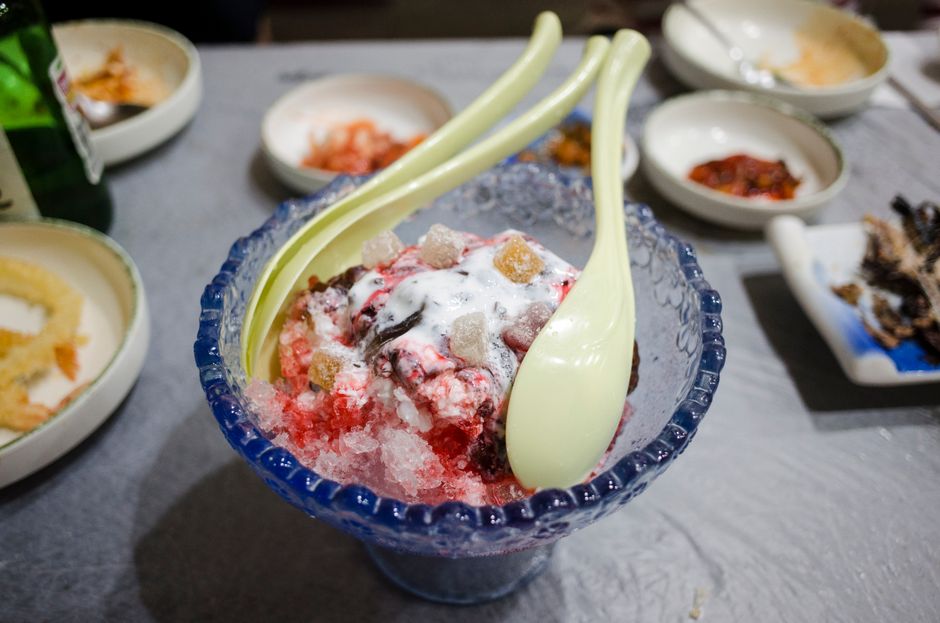

Haap sits as the fourth entry on this shortlist and reads as the traditional-Korean-confection register at its most distinctive contemporary-cafe expression. The institutional reading: Haap operates in the Cheongdam-dong neighbourhood inside the Apgujeong-Cheongdam dessert corridor, builds the menu around traditional Korean confections (jeungpyeon, hangwa) presented in a modern cafe-format presentation, and is consistently cited across Seoul-dessert coverage as one of the most distinctive cafes in the Cheongdam district specifically because it draws on a dessert vocabulary that the surrounding international-pastry cafes do not share.
A short explanatory note on the format. Jeungpyeon is the steamed rice-flour cake that the broader Korean dessert canon considers the lighter analogue of Japanese mochi, presented at Haap as a layered preparation with seasonal fruit and traditional flavour infusions rather than the unaccompanied steamed-rice-cake presentation that the standard Korean dessert-cafe vocabulary tends towards. Hangwa is the broader category of traditional Korean confections — gangjeong, yakgwa, dasik, and the surrounding sweet preparations served alongside tea — and Haap's menu draws on the hangwa vocabulary at contemporary-cafe presentation register rather than the heritage-restaurant register that some Bukchon or Insa-dong competitors lean towards. The cafe's Citrus Bingsu, a Korean shaved-ice dessert made with fresh lemon, lime, and seasonal citrus over a milk-shaved-ice base, is the most-photographed item on the menu and reads as the cafe's most distinctive single dish.
The genre distinction from the surrounding shortlist entries is what makes the inclusion important. NUDAKE, SONA, and PLD all sit firmly in the international-pastry vocabulary — French croissant, French plated-dessert technique, and continental seasonal-pastry tradition respectively — and a shortlist that contained only that register would misread the broader Gangnam dessert vocabulary by ignoring the traditional-Korean layer that defines the district's dessert identity at its most distinctively local. Haap resolves that gap with a single Cheongdam-scale entry, and a Taipei reader looking for the Korean-traditional dessert vocabulary in a contemporary cafe setting reads Haap as the obvious anchor on this shortlist. A visitor who eats only at the international-pastry entries without the Haap reading is reading roughly four-fifths of the district's actual dessert vocabulary, missing the layer most distinctively differentiated from any other major Seoul cafe corridor.
The Citrus Bingsu is the dish most worth ordering on a first visit. The preparation runs a base of milk-shaved-ice topped with fresh-cut lemon, lime, and seasonal citrus segments, drizzled with a citrus reduction syrup, and finished with a small spoonful of citrus sorbet at the centre. The presentation runs at neighbourhood-cafe-quality register, the portion size is substantially larger than the surrounding pastry entries on this shortlist, and the dish is built for sharing between two diners rather than for solo consumption. A coherent first-visit order pairs the Citrus Bingsu with a hangwa selection (a small plate of three to five traditional confections at varied flavour and texture register) and a Korean tea (Hwa-cha, the Korean herbal tea range; or Sigye-cha, the Korean grain-tea range). The price band of KRW 12,000 to 22,000 per set sits comfortably within the mid-tier Gangnam dessert vocabulary and reads as more accessible than the brand-universe and reservation-only tiers.
The Cheongdam cluster reading runs naturally. Haap sits a 6-minute walk south of the Cheongdam gallery cluster (SongEun ArtSpace, Perrotin, White Cube) and a 10-minute walk east of the Apgujeong Rodeo retail strip, which places the cafe inside a coherent afternoon walking loop with the broader Cheongdam architectural and luxury-maison vocabulary. A coherent Cheongdam afternoon reads SongEun ArtSpace as the opening anchor in the early afternoon, walks through two or three of the surrounding international galleries for the interior-exhibition register, and closes with the Haap dessert reading at 16:00-18:00 before continuing into the evening Cheongdam dining vocabulary or transitioning back to the Apgujeong-Dosan corridor.
*Address*: Cheongdam-dong area, Gangnam-gu, Seoul *Hours*: Daily 11:30-22:00 *Price*: KRW 12,000-22,000 per set *Reservation*: Walk-in (NaverPlace booking available) *Notable signature*: Traditional Korean dessert (jeungpyeon, hangwa) in modern cafe format; Citrus Bingsu with fresh lemon and milk-shaved-ice signature *Language*: English menu *Editorial source*: Run It Blog, Tripzilla

Upper and Under closes this shortlist as the fifth entry and reads as the Einspanner-and-coffee-pastry-pairing register at its most accessible neighbourhood-cafe expression. The institutional reading: Upper and Under sits in the Gangnam Station core area, builds the menu around the Einspanner Viennese-style coffee preparation that has become a Seoul cafe staple over the past several years, and operates as the more functional dessert-cafe option for a quick afternoon stop between other Gangnam activities. The cafe consistently appears on Gangnam dessert-list coverage as the most accessible single-stop pastry-and-coffee anchor in the Gangnam Station belt, and the operational rhythm is calibrated to walk-in cafe culture rather than the destination-cafe operational tiers covered earlier on this shortlist.
The genre distinction is what makes the inclusion important. NUDAKE, SONA, PLD, and Haap all operate at destination-cafe tier — they are venues a visitor specifically routes the afternoon around, with the dessert experience itself carrying the time-and-money allocation of the visit. Upper and Under operates at a meaningfully different operational tier — accessible, walk-in, single-stop, quick-turn — and the inclusion is important because a Gangnam dessert shortlist that contained only destination-tier entries would misread the district's full dessert vocabulary by ignoring the functional-cafe register that supports the surrounding shopping and dining itinerary rather than carrying the afternoon on dessert alone. A Taipei reader looking for the quick-stop Gangnam coffee-and-pastry option after a Gangnam Station shopping or business meeting reads Upper and Under as the obvious entry on this shortlist, and the inclusion at fifth position is editorial rather than dismissive — the cafe answers a different question from the surrounding four entries, and the question is genuinely worth answering on the shortlist.
The Einspanner programme is the cafe's signature and the dish most worth ordering on a first visit. The Einspanner — a Viennese-style coffee preparation with a dense whipped-cream layer on top of double espresso — has become a Seoul cafe staple over the past five years specifically because the cream layer carries the bitterness of the espresso in a way that produces a more dessert-forward coffee reading than the standard Korean cafe vocabulary. Upper and Under's version runs the cream layer at higher density than most Seoul competitors, with a slight vanilla-bean infusion in the cream and a finishing cocoa-powder dusting that produces the characteristic 'coffee-as-dessert' reading. The pastry counter rotates matcha and vanilla cake variants on a two-to-three month seasonal cycle, with the matcha programme drawing on Japanese sourcing and the vanilla programme building on Madagascan bean-pod vanilla. The price band of KRW 8,000 to 14,000 per set sits at the most accessible end of the entire shortlist.
The operational reading is what positions Upper and Under as the functional anchor of this shortlist. The cafe operates 11:00-22:00 daily, with seating across roughly 25 covers, and a typical visit runs 30-60 minutes rather than the longer destination-cafe windows. Weekend afternoons (14:00-18:00) operate at peak capacity with a brief queue at the entry, but the seating turnover is substantially faster than the destination-cafe entries above and the practical wait time rarely exceeds 15-20 minutes. The cafe supports walk-in flow exclusively, with no reservation system, and the surrounding Gangnam Station retail-and-dining-cluster makes the cafe a natural stop on a longer itinerary rather than a standalone destination.
The surrounding cluster reads naturally. Upper and Under sits in the Gangnam Station core area, which sits at meaningfully different geographic position from the Apgujeong-Sinsa-Cheongdam corridor covered by the surrounding four entries on this shortlist. The Gangnam Station cluster reads as the southern transit hub of the Gangnam district, with the Line 2 metro access, the COEX-Samseong walking radius to the east, and the surrounding hotel-and-restaurant cluster. A coherent itinerary that reads all five dessert entries on this shortlist will need to plan for two distinct geographic clusters — the Apgujeong-Sinsa-Cheongdam northern cluster covering Featured A through D, and the Gangnam Station southern cluster covering Featured E — and the inter-cluster transit runs roughly 15 minutes by metro or 20 minutes by taxi. Visitors with limited time should plan to weight the visit toward one cluster rather than attempting all five entries on a single afternoon.
*Address*: Gangnam area, Gangnam-gu, Seoul (Gangnam Station core) *Hours*: Daily 11:00-22:00 *Price*: KRW 8,000-14,000 per set *Reservation*: Walk-in *Notable signature*: Einspanner Viennese-style coffee with dense whipped cream; matcha and vanilla pastry programs rotating seasonally *Language*: English menu *Editorial source*: Run It Blog, Korea Travel Post
Frequently asked questions
Do I need to book Gangnam dessert cafes in advance?
SONA is reservation-only via NaverPlace or phone, with bookings recommended 2-4 weeks in advance — walk-in is not accepted. NUDAKE Haus Dosan, PLD Dosan, Haap Cheongdam, and Upper and Under all operate walk-in flow with queue management; weekend midday windows produce 30-60 minute queues at NUDAKE and shorter queues at the other three. Weekday morning windows produce substantially shorter waits across all four walk-in venues.
How much should I budget for dessert at Gangnam cafes?
Einspanner-and-pastry counters (Upper and Under) run KRW 8,000-14,000 per set. Seasonal-pastry cafes (PLD Dosan) run KRW 10,000-20,000 per set. Traditional-Korean-confection cafes (Haap Cheongdam) run KRW 12,000-22,000 per set. Brand-universe sculptural-cake cafes (NUDAKE) run KRW 9,000-18,000 per set. Reservation-only plated-dessert bars (SONA) run KRW 35,000-60,000 per tasting. Soft drinks and tea pairings typically add KRW 5,000-9,000 per drink.
What is the signature dish at each cafe?
NUDAKE Haus Dosan — the Peak matcha-green sculptural cake. SONA — the Champagne Sugar Ball plated dessert. PLD Dosan — the Earl Grey tea cake with Earl Grey ice cream. Haap Cheongdam — the Citrus Bingsu with fresh lemon and milk-shaved-ice. Upper and Under — the Einspanner Viennese-style coffee with dense whipped cream. The signature is the dish most worth ordering on a first visit at each venue.
Which Gangnam dessert cafe is best for a first-time foreign visitor?
NUDAKE Haus Dosan is the editorial default for first-time foreign visitors wanting the sculptural-cake gallery register — English menu, English-comfortable staff, and walk-in access (with queue) at KRW 9,000-18,000 per set. For visitors wanting the quick-stop Einspanner option instead, Upper and Under in Gangnam Station is the most accessible walk-in counter with English menu and KRW 8,000-14,000 per set.
What is the difference between traditional Korean desserts and international pastries in Gangnam?
Traditional Korean desserts (jeungpyeon, hangwa, bingsu) draw on the rice-flour, fermented-rice, and shaved-ice canon that defines Korean dessert tradition, served at Haap Cheongdam in a contemporary cafe format with Korean tea pairings. International pastries (croissant, plated dessert, layered cake) draw on French and continental technique, served at NUDAKE, SONA, and PLD in cafe and reservation-bar formats. The two vocabularies sit at substantially different price points and operational registers.
How long should I plan for each Gangnam dessert cafe visit?
Upper and Under (quick-stop Einspanner) runs 30-60 minutes per visit. PLD Dosan (seasonal-pastry walk-in) runs 45-90 minutes per visit. NUDAKE Haus Dosan (brand-universe sculptural cake) runs 45-60 minutes for the dessert alone, with longer windows if the surrounding Haus Dosan brand-universe building is folded in. Haap Cheongdam (traditional-Korean confection) runs 60-90 minutes including the longer Citrus Bingsu sharing format. SONA (reservation-only plated dessert) runs 60-90 minutes for the full dessert-tasting sequence.
Can I bring a laptop and work at Gangnam dessert cafes?
PLD Dosan and Upper and Under support short laptop-based stays during off-peak windows (typically weekday mornings) within the 60-90 minute single-table window, though longer co-working sessions are not the cafe's operational format. NUDAKE Haus Dosan does not support laptop work — the cafe operates as a single-course gallery-cafe with seating turnover prioritised. SONA is reservation-only counter-format dessert tasting with no laptop work possible. Haap Cheongdam supports short laptop stays but is not optimised for the format.
Which Gangnam dessert cafe is best for a special occasion?
SONA is the editorial default for a special-occasion dessert visit — reservation-only, plated-dessert-tasting format with Chef Hyunah Sung's Champagne Sugar Ball as the signature course, at KRW 35,000-60,000 per person. The reservation flow filters access through 2-4 week advance booking which itself reads as a special-occasion commitment. NUDAKE Haus Dosan reads as a competent special-occasion alternative for visitors wanting the brand-universe context rather than the kitchen-craftsmanship register, with walk-in access at substantially lower price commitment.